
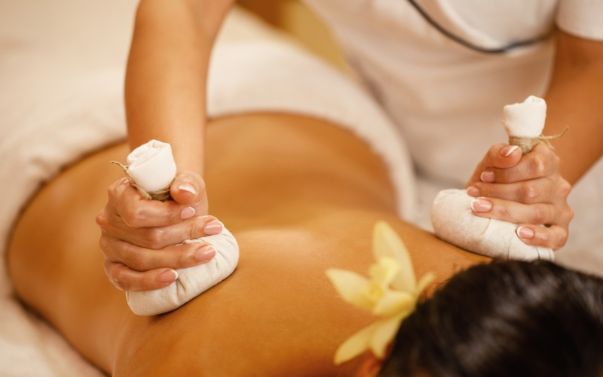
Massage therapy can be a valuable part of a balanced wellness routine. It can help people relax, manage everyday muscle tension, and take a break from busy schedules. Among the many massage techniques available, Thai massage has a distinctive approach that combines pressure, stretching, movement, and relaxation. Unlike many conventional massages, Thai massage does not simply involve lying still while the therapist works on the body. The therapist uses their hands, thumbs, elbows, knees, and feet to apply pressure and guide the body through assisted stretches. This makes the experience different from oil-based or relaxation-focused massage techniques.
Understanding the Thai massage benefits and knowing what happens during a session can help first-time clients feel more comfortable and prepared.
What Is Thai Massage?
Thai massage is a traditional therapeutic practice that originated in Thailand. It combines acupressure, rhythmic compression, assisted stretching, and controlled movements. A traditional session is usually performed on a comfortable mat or firm surface. Clients generally remain dressed in loose, comfortable clothing rather than receiving the treatment with massage oils.
The therapist works on different areas of the body using pressure and stretching techniques. The intensity can be adjusted according to the client’s comfort, flexibility, and individual needs. The goal is to promote relaxation while supporting mobility and reducing everyday muscular tension.
What Are the Benefits of Thai Massage?
There are several potential benefits of Thai massage, particularly for people who experience muscle stiffness, physical fatigue, or stress. However, the experience varies from person to person, and massage should complement rather than replace appropriate medical care.
1. Helps Relax Tight Muscles
One of the most recognised benefits of Thai massage is its focus on muscular relaxation. Long hours at a desk, repetitive activities, exercise, and poor posture can cause muscles to become tense. Thai massage combines pressure with assisted stretching to work on areas that may feel tight. The therapist can focus on the neck, shoulders, back, hips, legs, or other areas depending on the individual’s needs.
2. Supports Flexibility
Limited movement can occur when muscles and joints become stiff. Thai massage incorporates gentle assisted stretches that move the body through different ranges of motion. These movements may help people feel more flexible after a session. Regular stretching, exercise, and movement throughout the day can also contribute to maintaining mobility.
3. Encourages Relaxation
Stress can affect both mental and physical wellbeing. People often hold tension in areas such as the shoulders, neck, and back when they are under pressure. The slow, controlled movements of a Thai massage session can create a calming experience. Taking time away from work, screens, and daily responsibilities can also support mental relaxation.
4. May Improve Mobility
Thai massage involves movement of several joints and muscle groups. The therapist guides the body through controlled positions while applying appropriate pressure. This can help create a greater sense of ease during movement, particularly for people who experience stiffness from prolonged inactivity. However, individuals with injuries or medical conditions should seek appropriate professional advice before undergoing stretching-based massage.
5. May Support Circulation
Massage involves physical pressure and movement across different areas of the body. These techniques may support circulation and create a feeling of warmth and relaxation. Healthy circulation is important for delivering oxygen and nutrients to tissues. Staying physically active, maintaining a balanced diet, and avoiding prolonged inactivity remain important for overall circulatory health.
6. Helps Reduce Everyday Muscle Tension
Daily activities can place repeated stress on particular muscle groups. Office workers may experience shoulder and back tension, while physically active people may notice stiffness in their legs and hips. A Thai massage treatment can focus on these areas using pressure and stretching. This may help reduce feelings of everyday muscular tightness and leave the body feeling more comfortable.
Persistent, severe, or unexplained pain should always be evaluated by a healthcare professional rather than treated solely through massage.
How to Prepare for Your First Session
A few simple steps can make your experience more comfortable:
- Wear loose and comfortable clothing.
- Avoid eating a very heavy meal immediately before the session.
- Stay adequately hydrated.
- Inform the therapist about injuries or health concerns.
- Communicate your preferred pressure level.
- Tell the therapist immediately if a movement feels painful or uncomfortable.
Being open about your needs allows the therapist to create a more comfortable experience.
Enjoy a Relaxing Thai Massage Experience at Sweet Spa
Thai massage combines stretching, pressure, movement, and relaxation to create a distinctive wellness experience. At Sweet Spa, guests can take time away from busy routines and enjoy professionally delivered treatments in a comfortable environment. If you are looking for Thai massage for relaxation, a session can provide an opportunity to unwind while addressing everyday muscle tension and stiffness. Sweet Spa focuses on creating a calm experience where treatments can be adapted to individual comfort and preferences. Whether you are trying Thai massage for the first time or already enjoy its traditional techniques, taking dedicated time for your wellbeing can help you feel refreshed and relaxed. Make self-care part of your routine and give your body the opportunity to slow down, stretch, and recharge.
FAQs
1. Is Thai massage painful?
Thai massage can involve firm pressure and assisted stretching, but it should not cause significant pain. Always communicate with your therapist so the intensity can be adjusted.
2. What should I wear for Thai massage?
Thai massage is generally performed while fully clothed. Loose, comfortable clothing that allows easy movement is recommended for the session.
3. How long does a Thai massage session last?
The duration depends on the treatment selected. Massage sessions commonly range from around 60 to 120 minutes, although options can vary.
4. Can Thai massage help with muscle stiffness?
Thai massage may help reduce everyday muscular tension and stiffness through a combination of pressure, movement, and assisted stretching.
5. Can everyone receive Thai massage?
Not necessarily. People with certain medical conditions, recent injuries, or other health concerns should consult a healthcare professional before receiving Thai massage.


Leave a Reply