
Massage therapy has long been recognised as an effective way to relieve stress, reduce muscle tension, and improve overall wellbeing. Among the many massage techniques available today, Thai massage and deep tissue massage remain two of the most popular choices. However, many people struggle to decide which treatment best suits their needs.
Understanding the differences between these therapies can help you make an informed decision and enjoy the maximum benefits from your session. This guide explores Thai Massage vs Deep Tissue Massage, their unique techniques, benefits, and who can benefit most from each treatment.
Understanding Thai Massage
Thai massage is an ancient healing practice that originated in Thailand over 2,500 years ago. Unlike traditional massages that involve oils and massage tables, Thai massage is performed on a mat while the recipient remains fully clothed.
The therapist uses hands, elbows, knees, and feet to apply pressure and guide the body through a series of stretches. Often referred to as “assisted yoga,” Thai massage focuses on improving flexibility, restoring energy flow, and relieving tension throughout the body.
One of the key Thai Massage Benefits is its ability to combine stretching and acupressure techniques into a single treatment. This holistic approach supports both physical and mental wellbeing.
Understanding Deep Tissue Massage
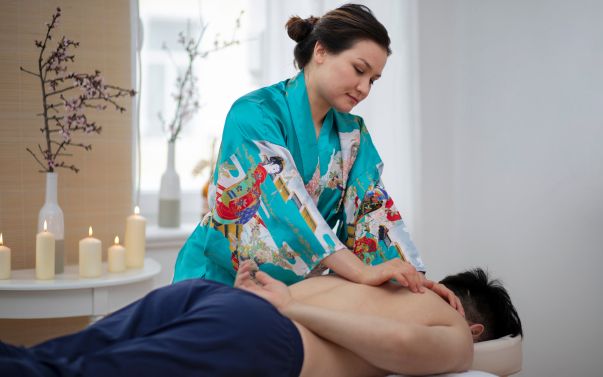
Deep tissue massage is a therapeutic technique designed to target deeper layers of muscles and connective tissues. It involves slow, firm pressure and focused strokes that help break down muscle knots and tension.
Unlike relaxation massages, deep tissue therapy specifically addresses chronic pain, muscle stiffness, and areas of tension caused by stress, poor posture, or physical activity.
Many individuals seek treatment for the various Deep Tissue Massage Benefits, especially when dealing with persistent discomfort in the neck, shoulders, back, and legs.
Thai Massage vs Deep Tissue Massage: Key Differences
While both therapies aim to improve physical health and relaxation, they differ significantly in their techniques and objectives.
-
Technique
Thai massage uses stretching, compression, and rhythmic movements to improve flexibility and stimulate energy pathways. Deep tissue massage relies on firm pressure and targeted manipulation of muscles to release tension and improve muscle function.
-
Clothing and Equipment
Thai massage is typically performed fully clothed on a floor mat without oils. Deep tissue massage is usually conducted on a massage table using massage oils or lotions.
-
Pressure Level
Thai massage combines gentle to moderate pressure with extensive stretching. Deep tissue massage applies sustained, firm pressure directly to muscle tissues and trigger points.
-
Primary Goal
Thai massage focuses on flexibility, circulation, and energy balance. Deep tissue massage primarily aims to relieve chronic muscle tension and physical pain.
Thai Massage Benefits
There are numerous Thai Massage Benefits that make it a preferred choice for people seeking both relaxation and physical rejuvenation.
-
Improves Flexibility
The stretching techniques used during Thai massage help increase joint mobility and muscle flexibility. It is particularly beneficial for individuals who spend long hours sitting or have limited mobility.
-
Enhances Energy Levels
Thai massage is based on the concept of energy lines running through the body. Stimulating these pathways may help restore energy flow and reduce feelings of fatigue.
-
Reduces Stress
The combination of rhythmic pressure and stretching creates a calming effect that can help reduce stress and promote mental clarity.
-
Improves Circulation
The movements involved in Thai massage encourage better blood flow, delivering oxygen and nutrients more efficiently throughout the body.
-
Supports Better Posture
Regular sessions may help correct muscular imbalances and improve posture by releasing tight muscles and increasing flexibility.
These Thai Massage Benefits make the therapy an excellent option for those looking for a full-body wellness experience.
Deep Tissue Massage Benefits
For individuals dealing with persistent pain or muscle tightness, the Deep Tissue Massage Benefits can be particularly valuable.
-
Relieves Chronic Pain
Deep tissue massage targets deep muscle layers to alleviate ongoing pain in the back, neck, shoulders, and legs.
-
Reduces Muscle Tension
Firm pressure helps release muscle knots and areas of tightness that can restrict movement and cause discomfort.
-
Improves Recovery After Physical Activity
Athletes and active individuals often choose deep tissue massage to accelerate recovery and reduce muscle soreness.
-
Enhances Mobility
By releasing adhesions and improving tissue flexibility, deep tissue massage can support greater range of motion.
-
Reduces Stress-Related Tension
Stress often manifests physically through muscle tightness. Deep tissue massage can help release this tension and promote relaxation.
The numerous deep Tissue Massage Benefits make this treatment especially suitable for individuals with physically demanding lifestyles.
Experience Premium Wellness at Sweet Spa
Finding the right massage experience is just as important as choosing the right technique. If you are looking for the best thai massage spa in dubai, Sweet Spa offers a tranquil environment where skilled therapists deliver personalised wellness treatments designed around your needs.
Whether you are seeking relaxation, flexibility, or the Best Massage for Muscle Pain, Sweet Spa combines professional expertise with luxurious comfort to help you achieve complete physical and mental rejuvenation. From traditional Thai therapies to specialised deep tissue treatments, every session is tailored to provide lasting relief and exceptional care. Discover a wellness experience that prioritises your comfort, restores balance, and helps you feel refreshed from the inside out.
FAQs
1. Which is better: Thai massage or deep tissue massage?
Neither is universally better. Thai massage is ideal for flexibility and relaxation, while deep tissue massage is better suited for relieving chronic muscle tension and pain.
2. Is Thai massage painful?
Thai massage may involve deep stretches and pressure, but it should not be painful. The therapist typically adjusts the intensity according to your comfort level.
3. How often should I get a deep tissue massage?
For chronic pain or muscle tension, many people benefit from a session every two to four weeks. Frequency depends on individual needs and lifestyle.
4. Can Thai massage help with back pain?
Yes. Many people experience relief from back pain due to improved flexibility, circulation, and muscle relaxation provided by Thai massage techniques.
5. Is deep tissue massage suitable for athletes?
Absolutely. Deep tissue massage is commonly used by athletes to reduce muscle soreness, improve recovery, and maintain optimal muscle function.


Leave a Reply